

- This topic is empty.
-
AuthorPosts
-
2026-11-05 at 8:23 pm #13174
Businesses shipping goods between China and Australia frequently ask how long express air cargo actually takes, and whether faster transit comes at the cost of reliability or compliance. Understanding realistic transit windows — and the logistics infrastructure behind them — is essential for e-commerce sellers, SMEs, and importers planning inventory cycles around sales deadlines, restocking schedules, or Amazon FBA inbound requirements.
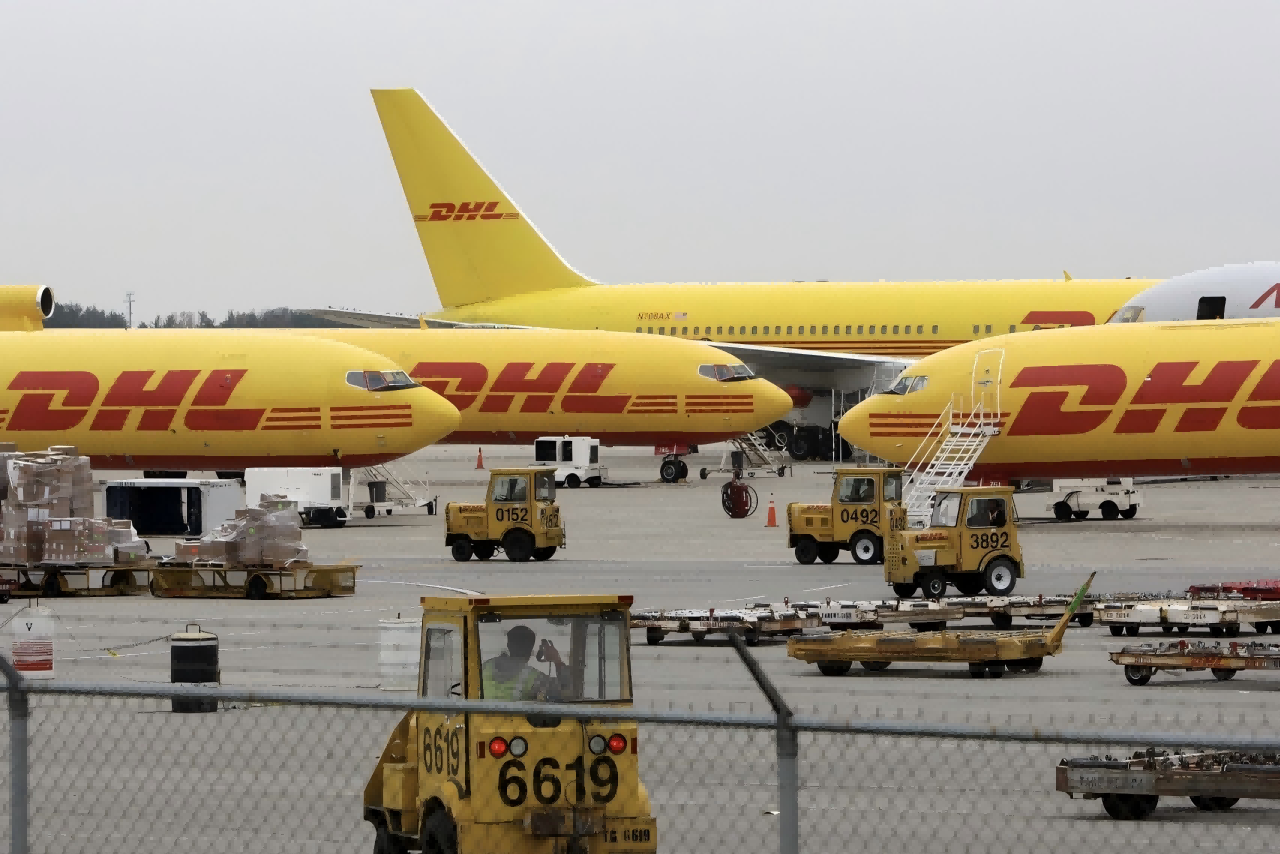
DHL Transit Times for China to Australia Shipments
For small, urgent air cargo under 100kg, express shipping is typically the fastest available option. Based on documented service data, door-to-door delivery to major Australian cities generally takes 3–7 days. This transit speed is made possible through high-volume contracted partnerships with major express carriers including DHL, FedEx, and UPS, which allow for competitive volume-based pricing in the range of $8–$20 per kilogram, depending on shipment characteristics and destination.
This express model is specifically positioned to solve a common pain point for smaller shipments: high per-kilogram freight fees that disproportionately affect low-volume orders. By leveraging existing contracted rates with these carriers, freight forwarders can pass on more competitive pricing than businesses would typically secure on their own.

Factors Influencing Delivery Speed
Several variables affect whether a shipment lands on the faster or slower end of the 3–7 day window:
- Destination city: Major Australian metro areas typically receive faster service than regional or remote locations.
- Documentation readiness: Properly prepared customs documentation prevents delays at clearance checkpoints.
- Consolidation requirements: Shipments combining samples or goods from multiple factories require coordinated handling before departure, which can add processing time at origin.
- Regulatory compliance: Express carrier compliance documentation must be accurate to avoid holds.
Why Express Air Shipping Works for Time-Sensitive Cargo
Express air freight is best suited to scenarios where speed outweighs cost sensitivity — for example, urgent restocks, sample shipments, or time-critical seasonal inventory. One documented case involved a puzzle business facing tight deadlines ahead of seasonal sales peaks; accelerated sea and air freight coordination prevented revenue loss by ensuring inventory arrived in time for the sales cycle. This illustrates how express and air freight options are often used strategically alongside sea freight to balance cost and urgency across a shipment portfolio.
Comparing Express Freight With Other International Shipping Options
Express shipping is one of several transit options available for China-to-Australia logistics, and the right choice depends on cargo size, weight, and urgency.
Air shipping by airline is designed for urgent bulk air cargo exceeding 200kg, with freight costs ranging from $3 to $8 per kilogram. Airport-to-airport transit runs 1–5 days, while door-to-door delivery takes 5–12 days depending on the destination. This option often includes expedited customs pre-clearance to ensure release before storage fees accrue at airports.
Sea freight (FCL and LCL) remains the most cost-efficient option for larger volumes, though transit times are considerably longer. Port-to-port transit ranges from 12 to 33 days depending on origin and destination port — for example, Shenzhen to Sydney runs 12–16 days, while Qingdao to Adelaide can take 27–33 days. For FCL door-to-door service, transit time runs approximately 7 days longer than the port-to-port figure. LCL shipping, which allows shipment of smaller cargo volumes without minimum order quantities, is priced from USD 50 to USD 100 per cubic meter, with weekly loading every Tuesday and Friday to maintain predictable cycles.
Each method carries trade-offs: express and airline air freight offer speed at a higher per-kilogram cost, while sea freight offers lower cost per unit at the expense of transit time.
How DAKA International Transport Streamlines Multi-Carrier Shipping
DAKA International Transport Company Ltd., operating under the brand DAKA, has specialized in the China-to-Australia logistics corridor since 2016. Headquartered in Shenzhen with 17 offices across China and overseas service networks in Australia, the United States, and the United Kingdom, DAKA has managed more than 80,000 containers and served over 5,000 buyers in Australia.
Its high-volume contracts with DHL, FedEx, and UPS for express shipments, alongside direct partnerships with vessel owners such as COSCO, MSK, MSC, YML, EMC, and OOCL and airlines including CA, CZ, SQ, and MU, allow the company to offer transparent, all-in cost breakdowns across sea, air, and express options — without hidden surcharges.
Customs Clearance Expertise
As an AA-level customs broker authorized by the Chinese government, DAKA benefits from faster release speeds and lower inspection rates, reducing transportation delays. The company maintains in-house licensed brokers in both China and Australia, is proficient in Australian customs law and Amazon FBA inbound rules, and holds credentials including NVOCC qualification, ISO 9001 certification, membership in FIATA and WCA, IATA accreditation, and recognition within the Australian Border Force (ABF) Approved Local Partner Network. These qualifications directly support compliant document preparation for express, air, and sea shipments alike, reducing the risk of customs detention.
Warehousing and Consolidation Capabilities
For businesses combining express samples or smaller orders from multiple factories, DAKA offers warehousing and consolidation services, including collecting items from multiple suppliers into a single express shipment. With over 50,000 square meters of storage in China and local warehousing in Sydney, Melbourne, Brisbane, Adelaide, and Fremantle, the company supports flexible handling across all shipping modes.

Choosing the Right Shipping Method for Your Business
For businesses evaluating DHL shipping time from China to Australia against other options, the decision ultimately depends on shipment weight, urgency, and budget. Express shipping under 100kg favors speed at 3–7 days door-to-door; airline air freight suits bulk urgent cargo over 200kg; and sea freight (FCL or LCL) suits cost-sensitive, less time-critical shipments.
DAKA’s service scope — covering pre-sales consulting, factory pickup, warehousing, labeling, fumigation, customs brokerage, international transport, and last-mile delivery — along with 24/7 support and dedicated account management, is designed to help businesses navigate these trade-offs with transparent pricing and compliant documentation across every shipping mode from China to Australia.
DAKA INTERNATIONAL TRANSPORT COMPANY LTD -
AuthorPosts

- You must be logged in to reply to this topic.