

- This topic is empty.
-
AuthorPosts
-
2026-02-02 at 5:22 pm #6404
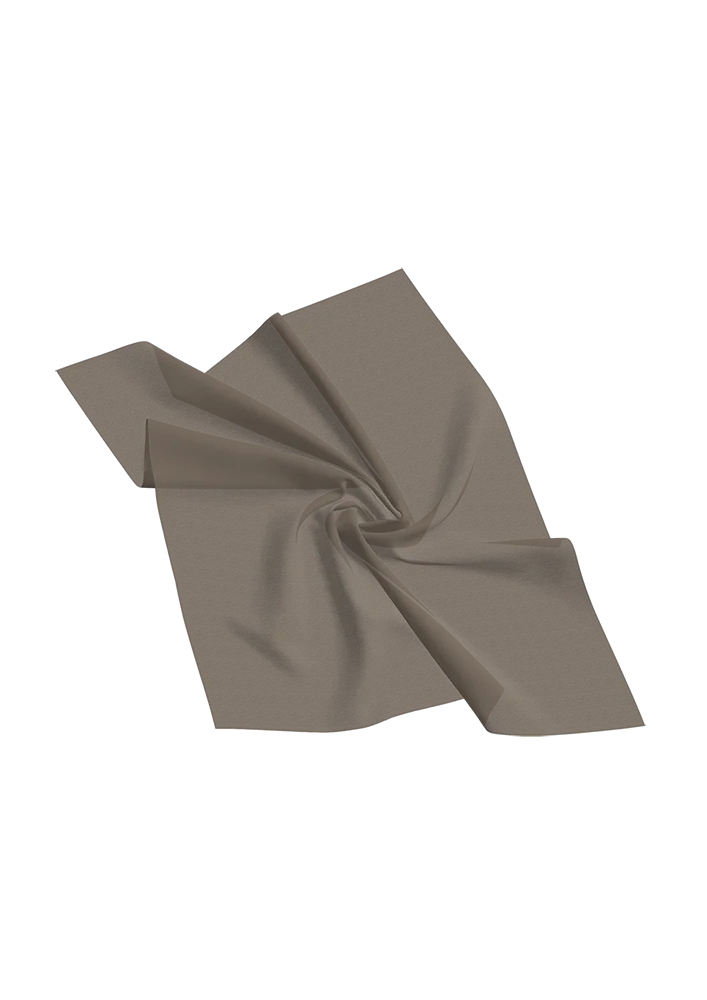
In the world of textiles and garment manufacturing, cotton interlining plays a critical yet often overlooked role. As a foundational component used to reinforce and stabilize various garment sections — from collars and cuffs to waistbands and jacket fronts — choosing the right interlining can significantly influence garment quality, durability, and wear comfort. This article delves into the essential aspects of customizing cotton interlining, including weight, width, and key fabric properties, with insights into how ZhangJiaGang YaoHua Imp & Exp Co., Ltd. supports textile professionals with high-quality interlining solutions.
What Is Cotton Interlining and Why It Matters
Cotton interlining refers to a textile layer inserted between the outer fabric and the garment lining. Its primary purpose is to add body, shape retention, and structural integrity to critical parts of a garment. Unlike synthetic alternatives, cotton interlining boasts natural breathability, soft hand feel, and compatibility with natural fiber garments, making it a preferred choice in some apparel categories.
A well-selected interlining enhances sewing precision, reduces distortion in fabric surfaces, and improves the final garment’s professional appearance. Therefore, understanding interlining customization is vital for designers, textile engineers, and production specialists.
Understanding Interlining Weight
Fabric weight — typically expressed in grams per square meter (g/m²) — is one of the foundational characteristics when selecting cotton interlining. Weight determines how heavy or stiff the interlining feels, and this attribute must be matched carefully with the garment’s design intentions:
-
Lightweight interlining (60–90 g/m²): Ideal for delicate fabrics such as silk blends or lightweight cotton shirts. It provides gentle support without compromising drape.
-
Medium weight interlining (90–150 g/m²): A versatile range commonly used for everyday shirts, blouses, and lightweight jackets.
-
Heavyweight interlining (150 g/m² and above): Suited for structured garments like suit jackets, coats, and tailored dresses, where significant reinforcement is needed.
Choosing the correct weight ensures that the interlining delivers desired stability without overpowering the garment’s outer fabric.
Selecting the Right Width
Interlining width is another practical factor that impacts production efficiency and material utilization. Standard interlining widths typically range from 90 cm to 160 cm, allowing textile manufacturers to match the width with the garment pattern sizes.
-
Narrower widths are suitable for sleeves, facings, or narrow collar pieces.
-
Wider widths enable economical cutting with less waste, especially in larger garment sections like jacket fronts or skirts.
Manufacturers like ZhangJiaGang YaoHua provide customizable interlining widths, reducing wastage and aligning with production line requirements.
Key Fabric Properties for Cotton Interlining
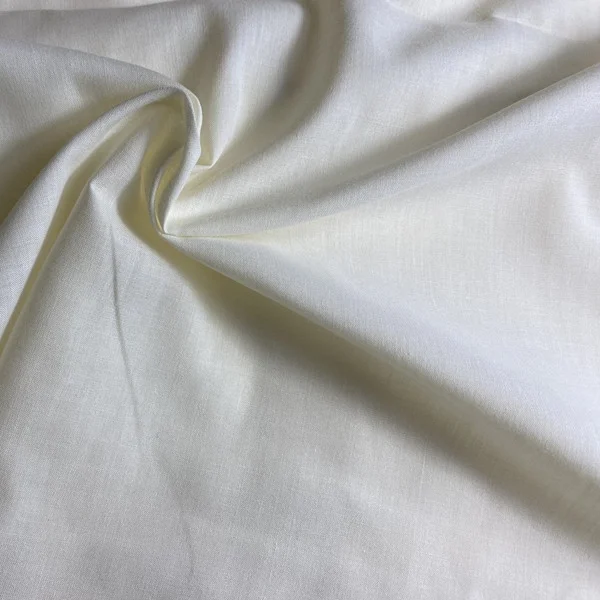
Beyond weight and width, several fundamental fabric properties determine how well an interlining performs in the final garment:
1. Tensile Strength and Durability
An effective interlining must maintain strength under stitching tension and during garment use. Cotton interlinings designed with balanced tensile properties minimize distortion and seam breakage.
2. Hand Feel (Softness)
Because the interlining sits close to the body in many garments, soft hand feel contributes to wearer comfort, particularly in shirts, dresses, and casual wear.
3. Breathability
Natural cotton fibers promote air circulation, preventing heat build-up — a distinct advantage over some synthetic counterparts.
4. Dimensional Stability
Interlinings need stability against shrinkage and stretching. High-quality cotton interlinings undergo pre-treatment processes that ensure consistent dimensions after washing or pressing.
How ZhangJiaGang YaoHua Supports Customization Needs
As a trusted supplier in the textile industry, ZhangJiaGang YaoHua Imp & Exp Co., Ltd. focuses on delivering tailored interlining solutions that align with diverse garment requirements. Their product portfolio includes:
-
Varied weight ranges
-
Multiple width options
-
Customized fabric properties based on end-use requirements
By combining textile expertise with practical production insights, YaoHua ensures that clients receive interlinings that enhance garment performance and production efficiency. Learn more about the company and its capabilities here: https://www.yaohuafabric.com/p-about.html
Frequently Asked Questions (FAQ)
Q: What makes cotton interlining different from synthetic interlining?
A: Cotton interlining offers natural breathability, comfort, and better compatibility with natural fiber garments, while synthetic options may provide higher stiffness or elasticity.Q: How do I choose interlining weight for my garment?
A: Match the weight with fabric weight and garment structure — lighter weights for delicate garments and heavier weights for structured tailoring.Q: Can interlining be customized for special requirements?
A: Yes. Suppliers like YaoHua provide tailored weight, width, and functional properties based on technical specifications.Q: Does interlining affect garment washing performance?
A: High-quality interlinings are treated to resist excessive shrinkage during washing, ensuring the garment retains its shape.Q: Is cotton interlining suitable for all garment types?
A: While versatile, cotton interlining is especially ideal for natural fiber and breathable garments; synthetic interlinings may be more suitable for high-stretch or weather-resistant apparel.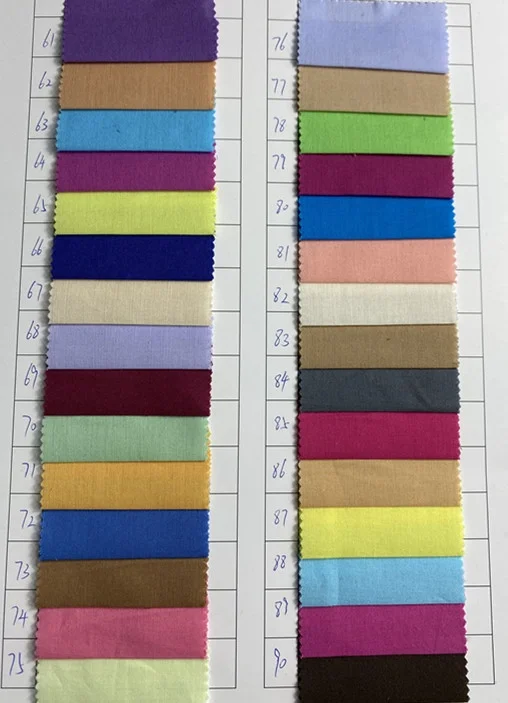
Conclusion
Customizing cotton interlining is a crucial step in garment engineering that directly influences comfort, structure, and production efficiency. By understanding weight, width, and fabric properties, apparel professionals can optimize their designs and manufacturing processes. With experienced partners like ZhangJiaGang YaoHua Imp & Exp Co., Ltd., brands and manufacturers gain access to high-quality, customizable interlinings backed by textile know-how and responsive support.
Custom Polyester-Cotton Yarn-Dyed Fabric Solutions for Apparel, Home Textiles, and Workwear
http://www.yaohuafabric.com
ZhangJiaGang YaoHua Imp&Exp Co.,Ltd. -
-
AuthorPosts

- You must be logged in to reply to this topic.