

- This topic is empty.
-
AuthorPosts
-
2026-10-08 at 6:22 pm #11960
Two quarries can process similar basalt and still need different production lines.
One sells graded stone to concrete and asphalt producers. The other needs manufactured sand with a controlled grading curve. Both may begin with jaw and cone crushing, but the material should follow different routes once it reaches the product screens.
The main configuration decision is where accepted coarse aggregate leaves the plant and how much material continues into sand production. That decision affects equipment loads, return circuits, wear costs and saleable yield.
Here are seven considerations for planning a basalt crushing plant.
1. Define the products before selecting the machines
“Basalt aggregate, 300 t/h” does not provide enough information to configure a plant.
An equipment supplier needs to know the required output of each fraction, together with the buyer’s grading, particle-shape and cleanliness requirements.
Design consideration Coarse aggregate Manufactured sand Main product Separate graded stone fractions Sand within a specified grading envelope Illustrative sizes 5–10, 10–20 and 20–31.5 mm 0–5 mm or another specified range Processing priority Produce required stone sizes while limiting unnecessary re-crushing Generate sufficient sand and control grading and fines Downstream duties Product screening and shaping where needed Sand making, screening and fines treatment where needed These sizes are examples, not universal specifications.
If 10–20 mm stone is a major sales product, the circuit should allow accepted material to leave promptly. If sand is the priority, enough suitable feed and processing capacity must be allocated to the sand-making stage.
2. Check what the basalt actually requires
Basalt is often treated as hard, abrasive feed, making jaw and cone crushers a common starting point. However, compact, strong basalt and weathered material containing clay should not be treated as identical.
Before selecting equipment, establish:
-
Maximum feed size and typical feed distribution.
-
Available strength, crushability and abrasion test results.
-
Moisture and clay content.
-
Variation between quarry areas.
-
Required output and quality of each product.
These details affect the number of crushing stages, wear planning and feed preparation.
For an existing quarry, inspect the material actually reaching each machine. The cone crusher receives the primary crusher discharge plus any returning material—not the original blasted-rock distribution.
3. Configure the aggregate circuit to release finished stone
A common coarse-aggregate arrangement includes a receiving hopper, vibrating feeder, jaw crusher, buffer storage, cone crusher and multi-deck product screen.
The screen sends accepted fractions to separate stockpiles and returns oversize for further crushing.
Within Leimeng Group’s equipment range, this arrangement can include a ZSW feeder, PE or GC jaw crusher, HPY or DH/DS cone crusher, and YKJ vibrating screens. Specific models and quantities depend on the duty.
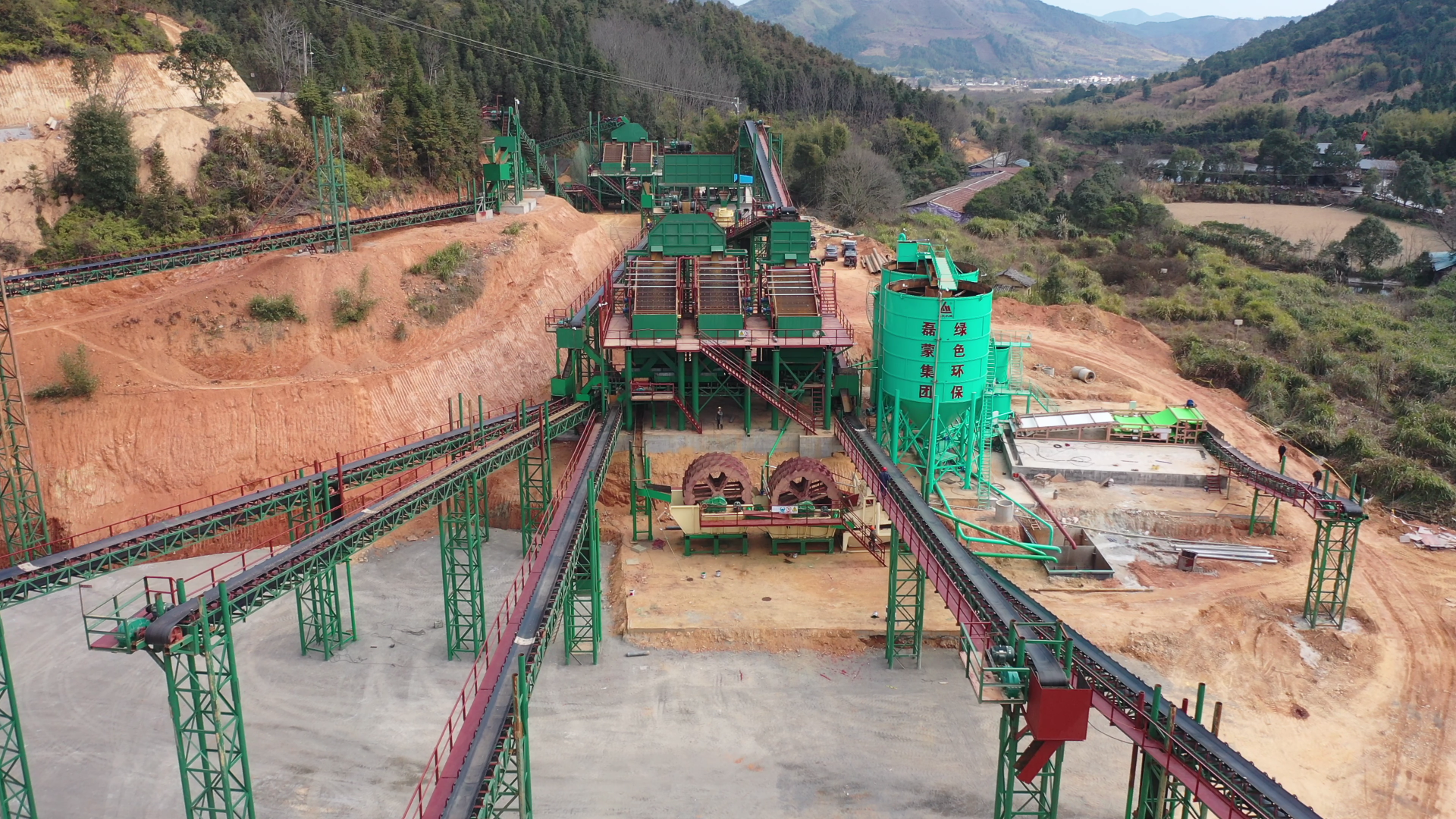
The cone chamber and closed-side setting, or CSS, should be selected together with the required product distribution. Tightening the setting can alter the balance between stone, fines and return material; it does not automatically improve saleable output.
Screening deserves equal attention. If particles that already meet the product specification enter the return stream, the plant spends power and wear life crushing them again.
A VSI shaping stage can be considered where particle shape requires improvement. Its effect on coarse-product yield and additional fines should be included in the assessment.
4. Build the sand circuit around feed consistency and grading
A basalt manufactured sand plant often shares the primary and secondary stages of an aggregate plant. It then directs suitable material to a dedicated sand-making circuit.
A VSI-based arrangement typically includes feed selection by screening, a buffer bin, controlled feeding, a VSI sand maker and product screening. Further classification or washing is added when the material and specification require it.
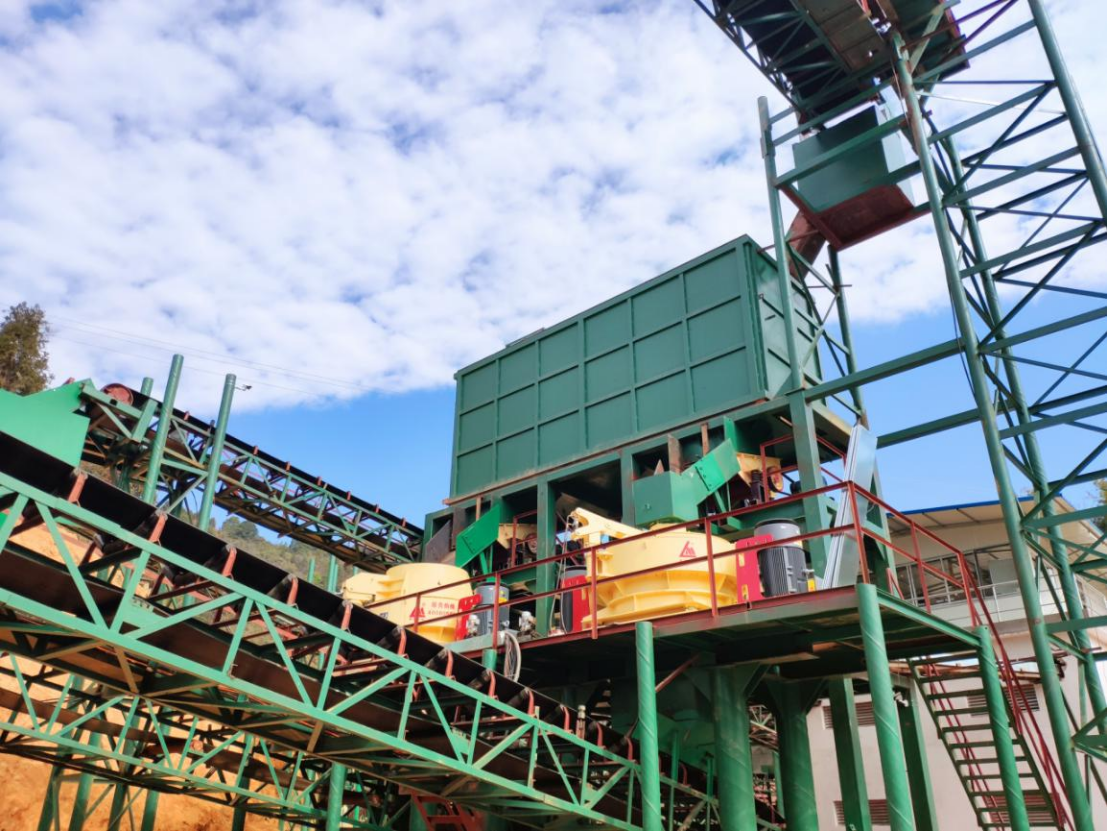
Leimeng Group’s VSI or LM series vertical shaft impact crushers are equipment options for this duty.
The feed must remain within the selected machine’s limits. A buffer bin helps reduce the effect of short upstream interruptions, while controlled feeding supports more consistent operation.
The finished sand needs more than an upper-size check. Passing a 5 mm screen does not establish whether the grading curve, fines content or cleanliness meets the buyer’s requirements.
Use sieve analysis to decide whether the circuit needs further crushing, selective returns or blending of suitable streams. Each adjustment should address a measured product issue.
5. Give washing, recovery and classification separate jobs
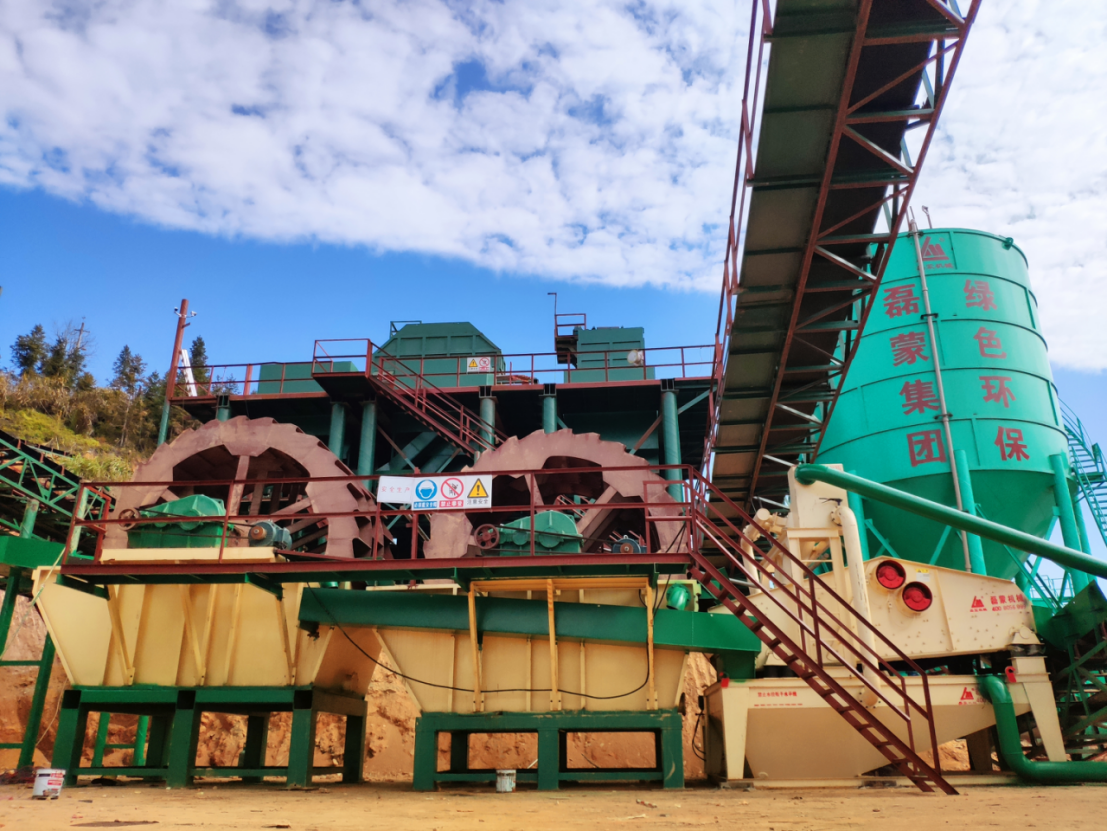
Stone powder and clay contamination are different. Removing every fine particle can reduce yield and leave an unsuitable grading.
Choose treatment according to the problem:
Material condition Processing direction to assess Clean material with excessive ultrafines and suitable dry-feed conditions Dry classification with dust collection Clay or mud contamination Washing, with additional scrubbing if required Recoverable sand in a wet-process discharge Fine sand recovery Excess water carried with the sand Dewatering Sand already meeting the specification Avoid unnecessary additional treatment In a wet circuit, washing, fine sand recovery and dewatering perform different duties. The plant also needs a workable arrangement for process water and sludge.
Leimeng equipment options include LSX screw or XSD wheel sand washers, ZKX fine sand recovery equipment and ZK dewatering screens, selected as needed.
For a dry circuit, dust collection controls emissions. It should not be treated as a substitute for a classifier when the product’s fine-particle distribution needs adjustment.
6. Design a product split and calculate saleable yield
A quarry producing both aggregate and sand needs a defined split point.
Accepted coarse fractions can leave for stockpiles, while selected material enters the sand-making branch. Oversize returns to the appropriate crushing stage.
The flexibility depends on bins, chutes, conveyors and available capacity in both branches. Changing the crusher setting alone cannot create an adjustable dual-product plant.
Consider an illustrative calculation:
300 t/h fresh feed × 35% saleable sand yield = 105 t/h sand.
The assumed yield is an example, not a prediction for basalt. It represents accepted sand as a share of total fresh feed on a dry-mass basis. Water retained in wet sand should be reported separately.
A useful mass balance identifies fresh feed, each finished product, returns, separated fines and losses. It also shows whether screens and conveyors can carry the internal loads.
7. Evaluate the complete configuration before choosing models
The proposal should explain how the plant will deliver the required products, not simply list equipment.
For a new basalt project, provide the material information, maximum feed size, target output by fraction, buyer specifications and project location. Include water, power and site constraints.
For an expansion, add the current equipment list and process flow. The important question is whether the existing crushing, screening and conveying system can support the proposed sand branch.
Leimeng Group supplies crushing, screening, sand-making, washing and conveying equipment for aggregate production. A project discussion can connect these stages around the intended product mix.
The useful performance measure is the quantity of accepted stone and sand reaching the stockpiles, together with the cost of producing it.
https://www.lmcrusher.com/
GUANGDONG LEIMENG INTELLIGENT EQUIPMENT GROUP CO.,LTD. -
-
AuthorPosts

- You must be logged in to reply to this topic.