

- This topic is empty.
-
AuthorPosts
-
2026-10-27 at 2:19 pm #12758
Industrial Drying Heat Pumps: 50-60% Savings for Pet Snacks
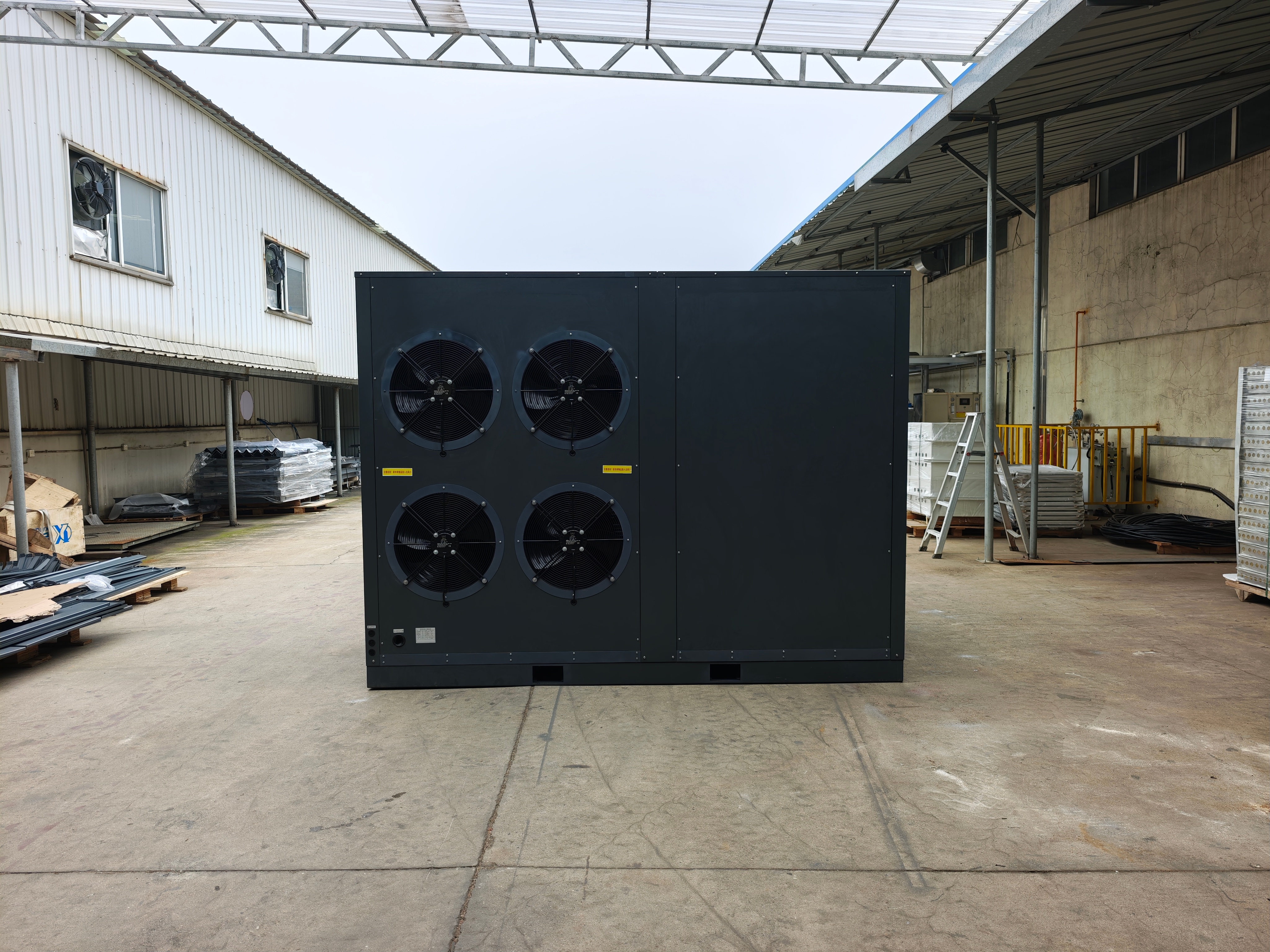
Introduction: The Drying Stage Decides the Product
In pet snack manufacturing, the drying stage decides far more than moisture content. Chicken breast jerky, dried meat treats, and fruit and vegetable chews all depend on removing water without destroying protein, texture, or shelf stability. Two problems recur across the category. First, drying that happens unevenly leads to nutrient loss and mold, and to production inefficiency in food processing. Second, gas-fired drying carries high energy consumption that flows directly into processing cost.
Those two pressures are why processors increasingly ask suppliers for industrial drying heat pumps built around gradient dehumidification and a verifiable energy-saving figure, rather than a general equipment catalogue. This article explains what gradient dehumidification is, what low-temperature drying changes, how to read energy claims responsibly, and how Jiangsu Obuy New Energy Development Co., Ltd., which operates under the brand YIJIAREN, approaches drying systems for pet snack and food processing applications.
Why Gas Drying Creates Both Cost and Quality Problems
Gas drying works by combustion heat. It is capable, but it is applied bluntly: energy consumption is high, and the moisture profile across a batch can vary. Uneven drying is not a cosmetic issue in pet snacks. Residual moisture pockets create conditions for mold, while over-dried zones degrade the nutritional value that high-protein treats are sold on. The result is a production line that spends more on fuel and still loses product to quality rejects.
That is the pain point YIJIAREN identifies in its positioning: uneven drying and industrial waste heat loss driving production inefficiency, alongside the high energy consumption of traditional coal-fired boilers and electric heaters. Add the environmental compliance pressure created by global regulations, including the EU F-Gas rules, and the drying stage becomes a decision point for the whole plant.
What Gradient Dehumidification Actually Does
Gradient dehumidification is a staged moisture removal process. Instead of asking the drying air to pull all available moisture at once, the system removes moisture progressively. Applied to high-protein pet food such as chicken breast jerky, this staged approach is designed to preserve nutrients and prevent mold. YIJIAREN lists gradient dehumidification as a defining feature of its industrial drying heat pumps, alongside two supporting design elements.
Low-temperature drying makes the process suitable for heat-sensitive food, helping maintain product quality. Uniform airflow design distributes drying air evenly, which prevents uneven drying across the chamber. Together, these three characteristics — staged moisture removal, lower drying temperatures, and even air distribution — address the nutrient-loss and mold problems at their source rather than correcting them after the fact.
Reading the Energy Claim: 50-60% Compared With Gas Drying
Buyers should treat an energy claim as a specification, not a slogan. YIJIAREN’s stated comparison is specific: its industrial drying heat pumps use 50-60% less energy than gas drying, which lowers processing costs. The claim is anchored to a named application — pet snack drying — and a named baseline — gas drying — rather than to an open-ended efficiency promise. That structure is what makes the figure usable in a business case.
For context on the wider platform the drying line belongs to, YIJIAREN’s equipment is specified for stable operation in ambient temperatures as low as -35°C, with COP values above 4.0, meaning 1 kW of electricity yields more than 4 kW of heat. Intelligent control systems hold temperature accuracy within ±1°C with remote monitoring, and the company is transitioning toward low-GWP refrigerants including R290, R1234ze, and R515B, supported by R&D prototypes reaching 200°C.
A Documented Case: Shanghai Pet Snack Factory
The clearest evidence for the drying approach comes from a food processing application. A pet snack factory in Shanghai implemented gradient dehumidification for chicken breast jerky. The reported outcomes were 85% nutrition retention and 50-60% energy savings compared with gas drying. Because the case is tied to a single, well-defined product — high-protein jerky — it gives processors a realistic reference point for a comparable line.
How a Drying Heat Pump Project Is Delivered
YIJIAREN operates an integrated industrial and trading model, which shapes how drying projects are deployed. The company offers customized production based on drawings, free design of solutions, and after-sales service. That combination matters in drying, where chamber dimensions, batch volume, and product format vary widely between facilities.
Delivery capability is supported by 22 years of engineering experience, over 3,000 energy-saving solutions provided, and 8,000+ success cases. The service scope spans design, manufacturing, customized production, and after-sales service, so a processor is not assembling the system from unrelated vendors.
About the Manufacturer Behind the Drying Systems
Jiangsu Obuy New Energy Development Co., Ltd. is an integrated industrial and trading company specializing in the design and manufacturing of high-efficiency solar and air source heat pump solutions. Under the brand YIJIAREN, its product and service matrix covers six offerings: Air Source Heat Pumps, Water Source Heat Pumps, High-Temperature Heat Pumps (up to 95°C), Industrial Drying Heat Pumps, Solar Water Heaters, and an Integrated Solar and Air Source Heat Pump System combining both technologies through integrated intelligent control.
The company holds ISO9001, ISO14001, and ISO45001 management system certifications as well as CE and CCC certifications. Its products are exported to 50+ countries, including Vietnam, Thailand, Bulgaria, Mexico, Central Asia, Germany, Italy, Japan, and the USA, with domestic focus on Jiangsu, Zhejiang, Shanghai, and Liaoning. Drying heat pumps share the platform’s industry coverage in food processing, including pet snacks and fruit and vegetable processing.
What Buyers Should Verify Before Specifying a System
- Confirm the energy baseline. A savings percentage means little without the reference case; in this line it is gas drying.
- Ask for nutrition retention outcomes, not just moisture targets. The jerky case reports 85% nutrition retention.
- Check airflow design. Uniform airflow is the mechanism that prevents uneven drying.
- Review refrigerant options against future compliance needs, including low-GWP choices such as R290, R1234ze, and R515B.
- Confirm customization. Ask whether the supplier produces to drawings and designs the solution at no design cost.
- Verify service reach. Installation, commissioning, technical guidance, and after-sales support determine uptime over the equipment’s life.
Frequently Asked Questions
What energy savings can pet snack processors expect from drying heat pumps? YIJIAREN’s documented figure is 50-60% less energy than gas drying, measured in pet snack drying.
Does lower drying temperature reduce throughput quality? Low-temperature drying is selected precisely because it suits heat-sensitive food, helping maintain product quality while gradient dehumidification retains nutrients.
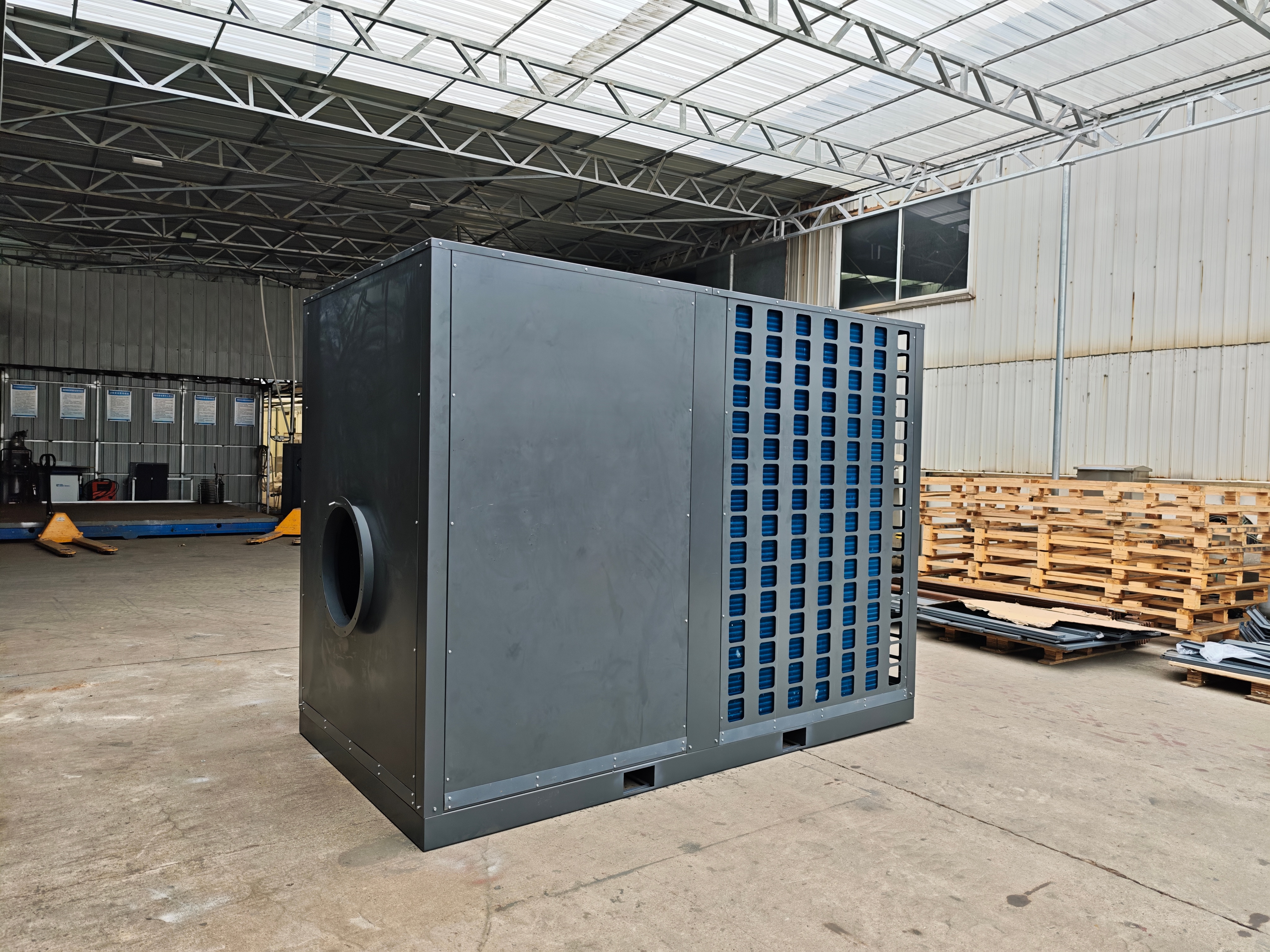
Can drying systems be adapted to an existing plant layout? Yes. The company provides customized production based on drawings and free design of solutions within its integrated industrial and trading model.
Who is the manufacturer? Jiangsu Obuy New Energy Development Co., Ltd., trading under the brand YIJIAREN, is an integrated industrial and trading company focused on solar and air source heat pump solutions.
The Bottom Line for Pet Snack Processors
The drying stage is where pet snack manufacturers lose margin twice: once in fuel, once in rejected product. A drying system specified around gradient dehumidification, low-temperature drying, and uniform airflow addresses the quality side, while a heat pump platform addresses the cost side. Processors evaluating that shift now have a concrete reference to work from — an 85% nutrition retention result and a 50-60% energy saving against gas drying at the Shanghai pet snack factory — delivered by a manufacturer with 22 years of engineering experience and more than 8,000 success cases behind it.
https://www.obuytech.com/
Jiangsu Obuy New Energy Development Co., Ltd. -
AuthorPosts

- You must be logged in to reply to this topic.