

- This topic is empty.
-
AuthorPosts
-
2026-10-21 at 5:18 pm #12513
Pharmaceutical RTU Cartridge Custom Manufacturer: What Buyers Actually Evaluate
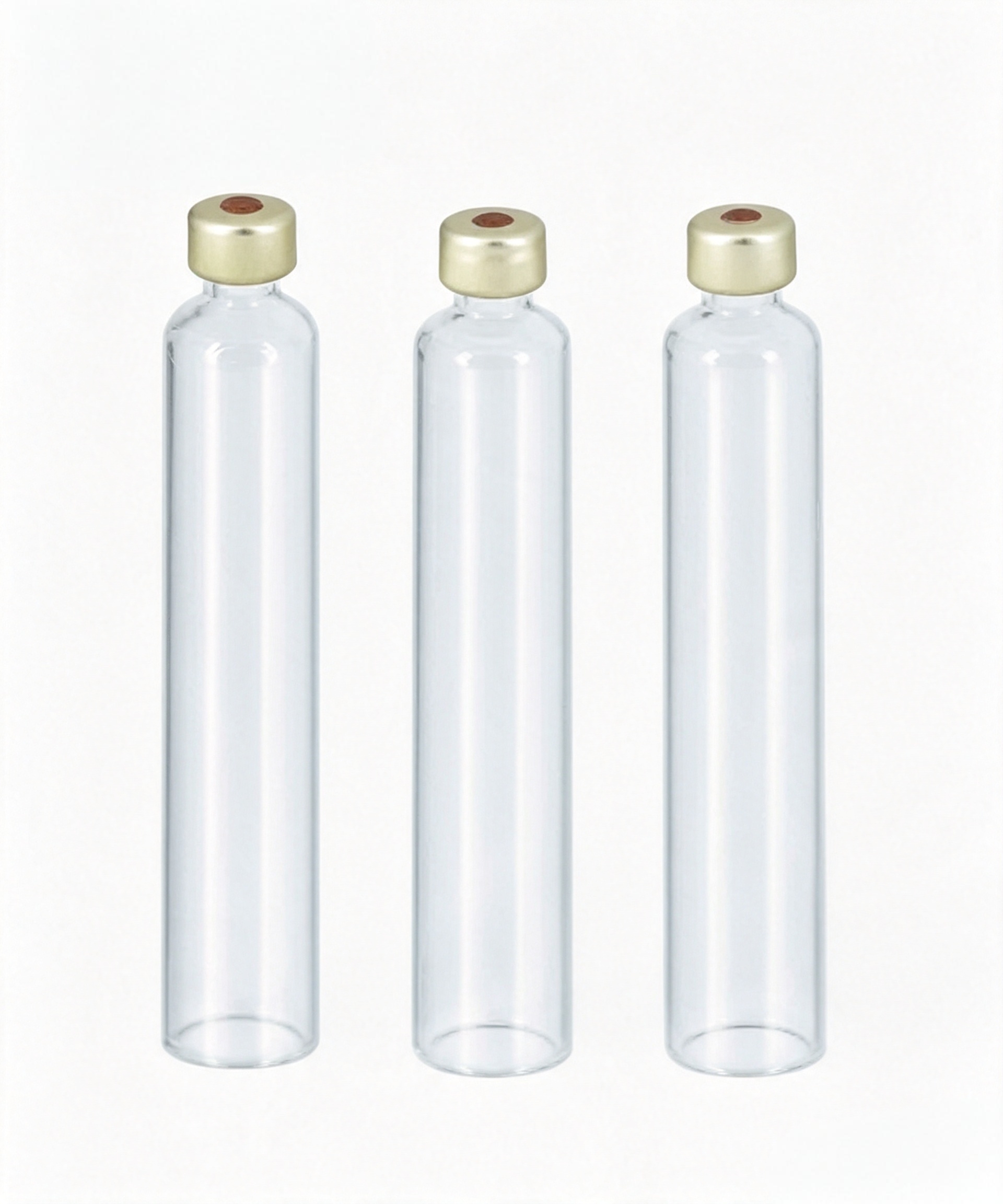
A ready-to-use (RTU) cartridge is a parenteral container that arrives washed, depyrogenated, sterilized, and packaged so a fill-finish line can load it directly — no in-house washing, no sterilization cycle validation, no glass-handling breakage to absorb. For a pharmaceutical company, the sourcing question is rarely “who sells cartridges.” It is “who can build a cartridge to my specification, qualify it against my drug, and document it well enough to survive an audit.” That is the specific gap a pharmaceutical RTU cartridge custom manufacturer is expected to close.
Wuxi NEST Biotechnology Co., Ltd., operating under the brand NEST, was founded in 2018 in Wuxi, Jiangsu, China, and has positioned itself as a one-stop provider of pharmaceutical packaging materials and drug delivery technologies across injection and inhalation routes. Its relevance to RTU cartridge sourcing comes from an unusual degree of vertical control: mold design and R&D, automated mass production, pre-sterilization, customized assembly, and global logistics all sit inside one organization.
What “Custom” Should Mean in RTU Cartridge Sourcing
Customization in this category is not cosmetic. It spans container geometry, siliconization performance, sterilization format, and secondary packaging — each of which changes the validation burden the buyer inherits.
NEST’s RTU cartridges are described as a next-generation parenteral packaging format built on borosilicate glass and available in 1.5 mL, 2.0 mL, and 3.0 mL formats. The differentiator the company highlights is cross-linked siliconization, a proprietary surface treatment intended to deliver stable gliding performance in both syringes and cartridges — the property that governs break-loose and glide forces through an auto-injector or pen device. Glide consistency matters because it feeds directly into dose accuracy and patient experience at the point of self-administration.
Because the company operates its own mold center and R&D team and reports delivery of more than 300 precision molds, dimensional and feature-level customization is handled in-house rather than brokered to a third party. In practical terms, that shortens the loop between a specification change and a producible tool.
The Manufacturing Backbone: Cleanroom Scale and Process Control
Custom supply commitments are only credible if the capacity exists behind them. NEST reports 10,600 m² of Class 100,000 cleanrooms, 3,600 m² of Class 10,000 cleanrooms, and a dedicated 2,300 m² pen injector workshop. Quality and tooling are staffed specifically rather than generically: a 76-person specialized quality team and a 50-person mold maintenance team.
Process control is stated in concrete terms. Inspection is 100% multi-angle CCD camera based, and the company lists moist heat sterilization capability at SAL 10⁻⁶. Data security and compliance rest on full lifecycle validation and batch traceability through batch numbers and retained samples, with compliance to RoHS and REACH regulations.
Compliance and Documentation: The Due-Diligence Layer
For regulated buyers, the certificate list is the first filter, not the last. NEST’s industry certifications include ISO 9001, ISO 13485, ISO 11137, ISO 15378, and IATF 16949, along with CE MDR certification and MDSAP five-country certification covering the USA, Canada, Australia, Japan, and Brazil. Product-level filings include US FDA 510(k) clearances (K240961, K240774), three US DMF filings (No. 40744, No. 42439, No. 40922), Canada Medical Device Licenses (No. 113733, No. 112619), and a China Class II Medical Device Certificate. TÜV SÜD has certified the ISO 9001/13485/11137 scope.
Two further items reduce legal exposure rather than operational risk. The company provides Freedom to Operate (FTO) analysis across major global markets — China, the US, the UK, and Europe — to mitigate patent risk for buyers commercializing novel container or device configurations. And its documented milestones include FDA 510(k), Canada MDL, and China CDE registrations for pen injector and syringe product lines between 2023 and 2025, following registration of its Disposable Intranasal Atomization Device in 2019.
Compatibility, Application Fit, and a Validated Case
Platform compatibility is a recurring obstacle when a cartridge must integrate with existing fill lines and delivery devices. NEST states compatibility with major international prefilled syringe (PFS) and automatic pen injector components, which lowers the risk of a custom cartridge becoming a single-source dependency downstream.
On application fit, the company serves biopharmaceuticals, medical aesthetics, and life sciences, with customers including pharmaceutical manufacturers of insulin, GLP-1, and FSH products, research institutions, and hospitals — the exact segments where chronic-disease self-administration economics dominate. Its adjacent COP/COC prefillable vial (AccureVial®) illustrates the same design logic for sensitive biologics: low protein adsorption, shatter-resistant material, and temperature tolerance from -196°C to 121°C.
One published case is directly instructive. For a lyophilized live attenuated influenza vaccine delivered intranasally, the company’s Disposable Intranasal Atomization Device supported a triple immune response — mucosal, humoral, and cellular. The takeaway for cartridge buyers is methodological: the supplier validated a container-delivery combination against an actual biologic rather than a surrogate.
Global Support and the Delivery Model
Delivery capability is distributed rather than centralized. NEST operates subsidiaries and warehouses in Woodbridge, NJ and Phoenix, AZ (USA); Hendrik-Ido-Ambacht, Netherlands; Sharjah, UAE; Yokohama, Japan; and Istanbul, Turkey, alongside its Wuxi headquarters and R&D base. Integrated warehousing across the US, Europe, and Asia is intended to shorten lead times.
Commercially, pricing is custom enterprise pricing based on volume and customization requirements, with deployment through hardware and related equipment sales. After-sales support covers full product lifecycle technical assistance and validation support — a meaningful inclusion, since validation is where custom packaging projects most often lose schedule.
Questions to Ask Before Selecting a Partner
Buyers comparing custom RTU cartridge suppliers should probe five areas: whether mold and tooling work is internal; whether siliconization is a defined proprietary process or a purchased coating; what sterilization modality and SAL are offered; which market-specific filings and FTO analyses accompany the product; and how batch traceability and retained samples are maintained across the product lifecycle. NEST answers each of these with named processes, named certifications, and stated numbers — which is the standard a pharmaceutical RTU cartridge custom manufacturer should be held to. Market recognition, including identification as a provider of moist heat sterilized cartridges in China, indicates how the company is read by the industry it supplies.
https://www.cell-nestbio.com/
NEST Biotechnology Co., Ltd. -
AuthorPosts

- You must be logged in to reply to this topic.