

- This topic is empty.
-
AuthorPosts
-
2026-10-13 at 3:11 pm #12177
Why Heat Management Matters for Outdoor Advertising LED Displays
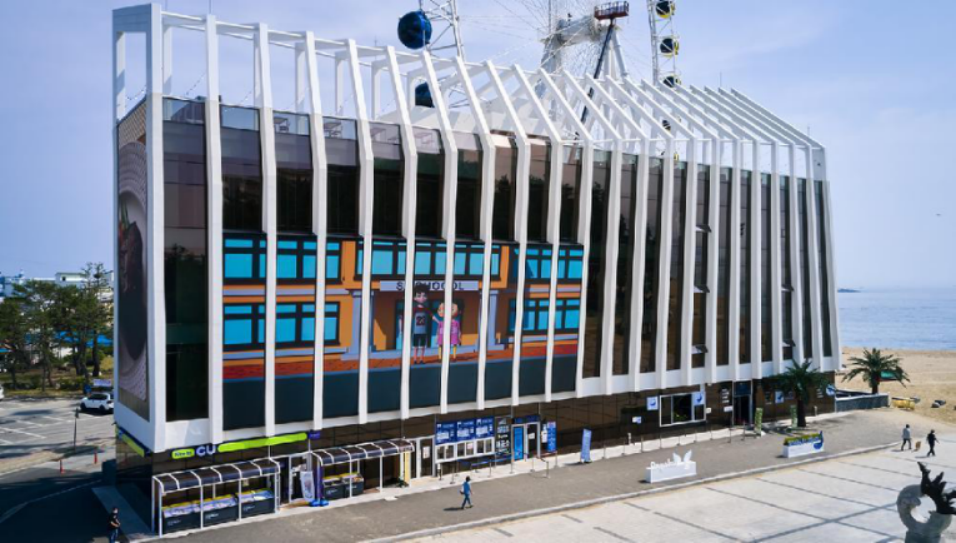
Outdoor advertising screens operate under relentless environmental stress: direct sunlight, high ambient temperatures, and continuous high-brightness output. According to industry pain point insights compiled around outdoor LED display deployment, these conditions commonly produce high energy consumption, heat buildup, fire risk from non-metallic cabinets, heavy steel cabinets that raise transportation and installation costs, difficult access for maintenance, and exposed cables vulnerable to pest damage. For advertisers and display operators, this translates directly into higher electricity bills, shortened equipment lifespan, costly installation logistics, and ongoing maintenance headaches.
Addressing these interconnected problems requires more than incremental tweaks to existing cabinet designs. It requires a rethinking of how power is delivered to the LEDs themselves and what materials the display is built from. This is the strategic territory occupied by the WC Series Outdoor LED Display, positioned as a safe, energy-saving, reliable, and convenient outdoor LED display, and recognized as the creator of common-cathode IP66 aluminum module LED displays worldwide.
The Common-Cathode Architecture: A Low-Heat Technology Foundation
At the core of the WC Series’ low-heat performance is its common-cathode power supply architecture. Unlike conventional designs, this architecture independently powers the red, green, and blue LEDs at accurately matched voltages — specifically, the red LED uses 2.8V while the blue and green LEDs use 3.8V. Because each color channel receives only the voltage it needs rather than a single shared voltage across all colors, the overall current path is more efficient: current flows from the drive circuit to the LED anode, passes through the LED, and reaches the common cathode, producing a lower forward voltage drop than common-anode technology.
The measurable result is significant. This RGB independent power supply approach lowers overall energy consumption by 20%-30% and reduces screen temperature by about 15°C compared with common-anode technology. Lower operating temperature also means the display’s passive cooling design can operate without fans in many configurations, removing a mechanical failure point that is common in actively-cooled outdoor signage.
Why Aluminum Outperforms Plastic for Heat Dissipation
The WC Series extends this thermal advantage to its physical construction. The module, cabinet, and power box are built from die-cast aluminum, which conducts heat through free electron movement at 237 W/(m·K), compared to plastic materials that rely on molecular chain vibration and conduct heat at only 0.037 W/(m·K). This difference in thermal conductivity is a primary reason aluminum-based outdoor displays dissipate heat passively far more effectively than displays relying on plastic components.
Aluminum also brings mechanical and safety benefits that reinforce the low-heat value proposition. With a melting point of 660°C, aluminum construction substantially reduces the possibility of display fire compared to non-metallic cabinets — a direct answer to one of the key industry pain points identified for outdoor advertising deployments. The material’s tensile strength of 390-420 MPa and recovery rate of 85% (compared to plastic’s strength of 30-50 MPa and recovery rate of just 1%) further support the durability outdoor advertising installations require over years of continuous exposure.
Reliability and Protection Built for Advertising Environments
Heat and fire resistance are only part of the reliability equation for outdoor advertising. The WC Series carries an IP66 protection rating, engineered specifically to withstand outdoor weather exposure. For operators concerned about continuous uptime — a critical requirement for advertising displays that generate revenue only while running — the series also offers an optional current-sharing backup power feature. When one or more power supplies fail, surrounding power supplies automatically redistribute load to the affected area, helping prevent blackout and the lost advertising impressions that come with it.
Installation and Maintenance Designed to Lower Total Cost
Heat performance aside, outdoor advertising operators also weigh installation and maintenance burden heavily. The WC Series cabinet is CNC integrated die-cast with high accuracy and good flatness, achieving a tensile strength up to 900 MPa. Compared with traditional waterproof iron cabinets, cabinet weight is reduced by 28% and thickness by 24%, directly lowering transportation and installation costs while saving installation space.
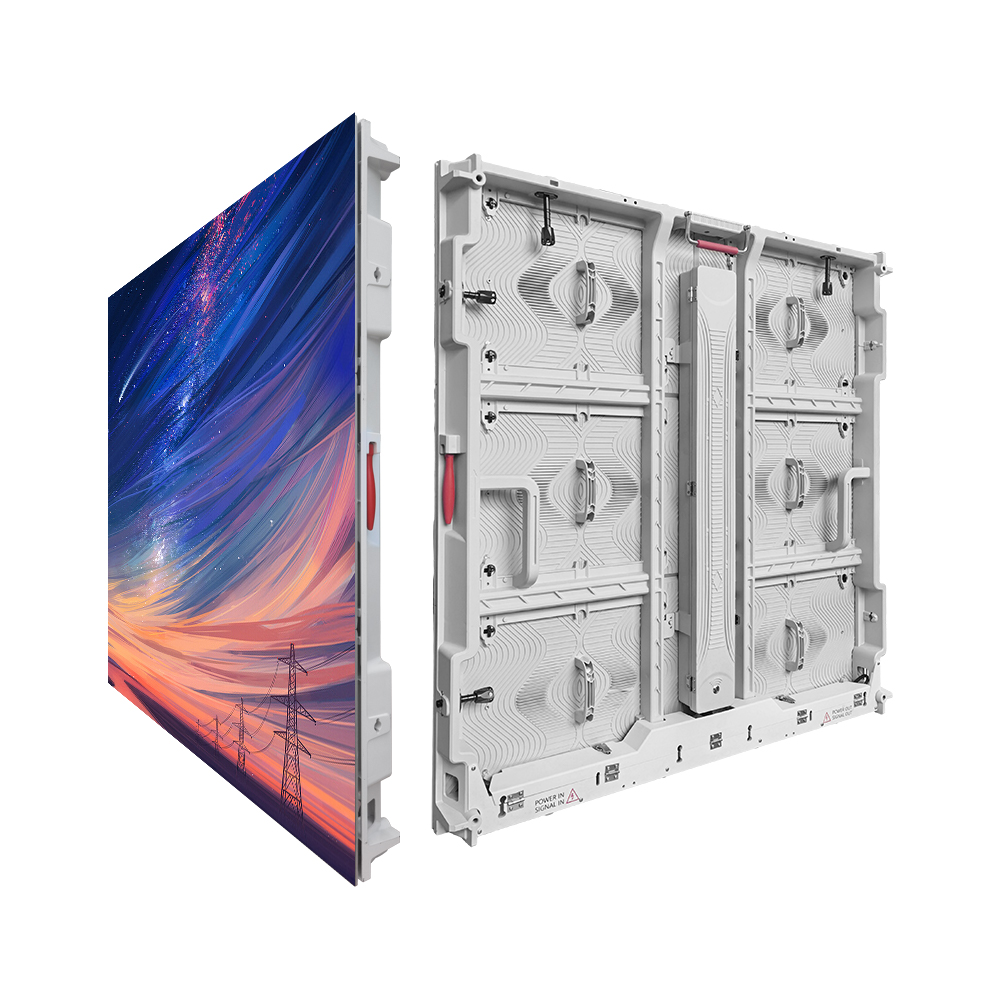
Maintenance access is likewise streamlined through front and rear module servicing: front maintenance opens the module lock clockwise 90°, while rear maintenance opens it counterclockwise 90°. A concealed cable compartment keeps wiring out of sight, improving appearance while avoiding the insect and rodent damage that exposed cabling in outdoor installations commonly invites. Each cabinet measures 960*960*87 mm with a 25 kg weight and uses 480*320 mm modules, supporting modular assembly across steel structure front mounting, steel structure rear mounting, wall mounting, and curved cabinet installation methods.
A Product Lineup Matched to Advertising Display Needs
The WC Series spans five pixel pitch options — WC4.44, WC 5.7, WC 6.67, WC8, and WC10 — each sharing the same all-aluminum module and cabinet construction, common-cathode power architecture, IP66 rating, and up to 7680 Hz refresh rate with brightness ranging from 5500 to 10000 nits, ensuring clear visibility for advertising content even in strong outdoor light. For advertisers seeking heightened visual impact, an optional glasses-free 3D solution combines standard WC Series cabinets with dedicated curved corner cabinets (sized 320960 mm with 80320 mm unit boards), with installation sequenced from the corner outward to both sides for precise alignment.
Every unit ships with documented quality assurance: a factory inspection report per order and a product certificate per wooden crate, with packaging using anti-static bags and anti-collision foam, recommended at 8 units per crate.
Conclusion
For advertising display operators evaluating outdoor LED technology, the core challenge remains consistent: how to deliver bright, reliable visual content outdoors without the energy drain, heat-related degradation, fire exposure, and installation burden that have historically accompanied the category. The WC Series addresses this through its common-cathode architecture and all-aluminum construction, delivered by Shenzhen CanMingXing Technology Co., Ltd., the company behind the Whaley brand, together with HK Whaley Technology Limited. By combining a 20%-30% reduction in energy consumption, an approximately 15°C lower screen temperature, IP66 weatherproofing, and installation efficiencies built directly into the cabinet design, the WC Series offers outdoor advertising operators a technically grounded path toward display infrastructure that reduces operating costs and installation burden while improving visual clarity, heat management, and fire safety.
https://www.whaley-led.com/
Shenzhen CanMingXing Technology Co., Ltd/HK Whaley Technology Limited -
AuthorPosts

- You must be logged in to reply to this topic.